

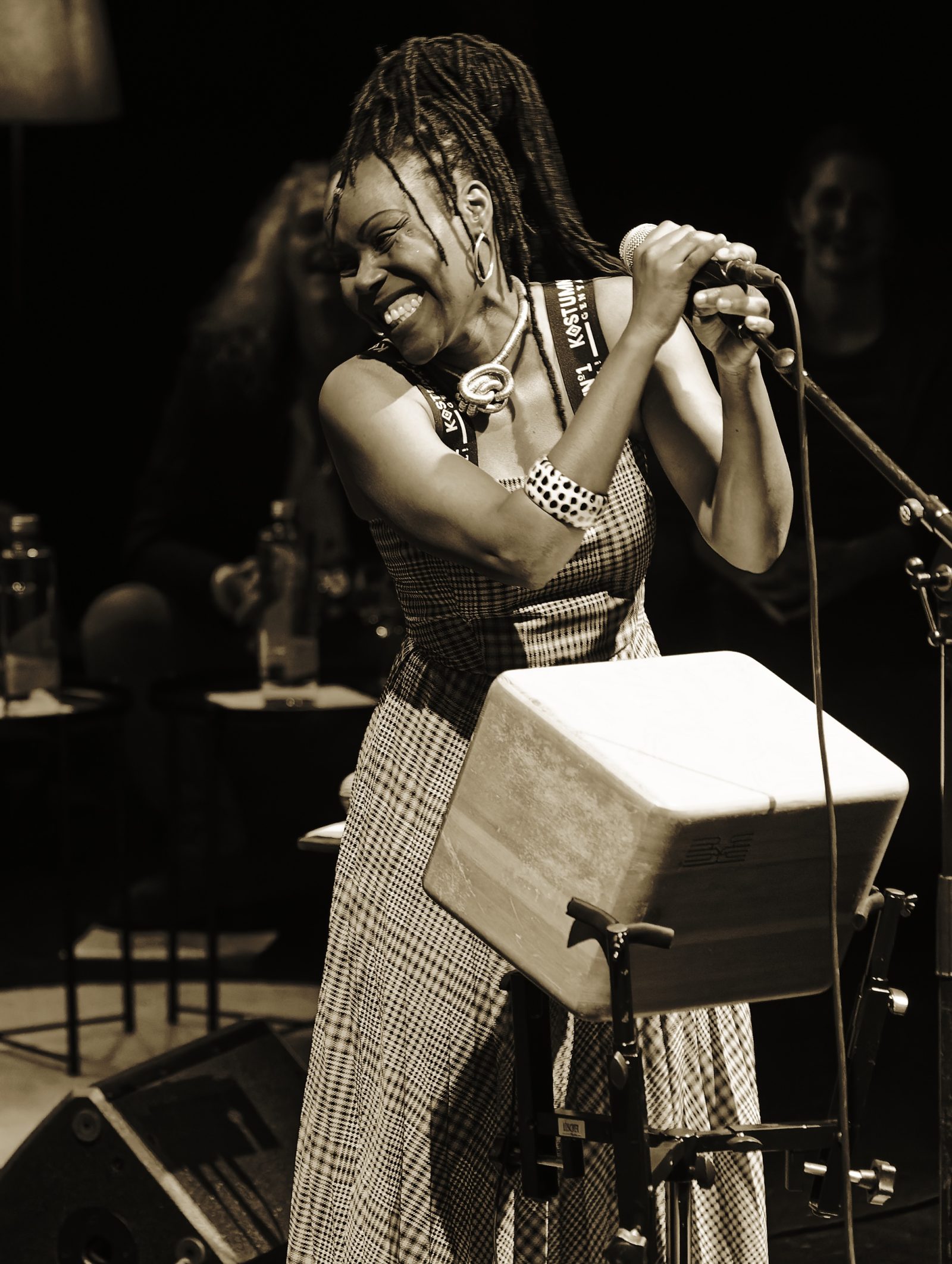
Mozambican singer-songwriter Nilsa MosNilsa Moseleele, known to many as Big Baby from the iconic hip-hop collective Djovana, is embracing her musical heritage and sharing powerful personal messages through her latest singles, “Sofala” and “Emilia.” Blending cultural traditions, personal memories, and empowering storytelling, the new releases highlight Nilsa’s evolution as an artist while celebrating her connection to Mozambique.
For those familiar with Beira’s hip-hop scene since the late 1990s, the line “Heeee he, já chegou Djovana…” brings back memories of the collective that introduced Djovana to a wider audience. Among its voices was Big Baby, now known as Nilsa Mosele, whose musical journey began long before her international career took shape.
Born and raised in Beira, Mozambique, in a family of eight children, Nilsa developed an early passion for music and dance. She made homemade instruments and performed alongside her siblings, discovering the joy of musical expression at a young age. At 14, she won her first music competition, marking an important milestone in her artistic journey. Two years later, she joined Djovana, a project initiated by Swiss cultural partners that opened doors to international performances and tours across Switzerland, Germany, and South Africa.
After relocating to Switzerland, where she has lived for more than 25 years, Nilsa continued to develop her musical identity. Following jazz studies in Bern, she launched her solo career and released four albums: Mamã (2005), Aphale (2010), Eu Sou de Cor (2012), and Salada Moçambicana (2018). Her work reflects a versatile approach to music, drawing from her cultural background and diverse artistic influences.
With “Sofala,” Nilsa reconnects with the memories, traditions, and community experiences that shaped her childhood in rural Mozambique. The song reflects a time when life was less dependent on technology and more closely connected to music, dance, and shared experiences.
“In Sofala, I search for my musical roots. The song recalls my childhood with my grandmother in rural Mozambique – no television, no telephone, but a life shaped by community, dance, and music,” Nilsa explains.
At the heart of the song is Utsi, a traditional dance accompanied by drummers. Through this cultural reference, Nilsa celebrates the rhythms and traditions that continue to influence her musical expression, inviting listeners to experience a meaningful part of her Mozambican heritage.
While “Sofala” looks back at her roots, “Emilia” delivers a message about self-worth, education, and independence. Inspired by an encounter with her niece, the song encourages young women to recognize their beauty while understanding that their potential extends far beyond physical appearance.
“Emilia was inspired by an encounter with my niece. When I complimented her on how beautiful she had become, she confidently replied, ‘I know.’ The song is a loving encouragement to young women not to rely solely on their beauty, but to follow their own path, pursue education, and become independent,” Nilsa shares.
Through its message, “Emilia” highlights the importance of personal growth, confidence, and the freedom to shape one’s own future. Nilsa uses her music to encourage young women to pursue their ambitions and build independent lives grounded in knowledge and self-belief.
Beyond her recorded work, Nilsa has performed with her band on renowned stages across Europe, captivating audiences with energetic and soulful performances. Her live shows bring together music, cultural expression, and engaging stage presence, creating experiences that celebrate her Mozambican roots while connecting with audiences from different backgrounds.
With “Sofala” and “Emilia,” Nilsa continues to explore the stories that matter to her, moving between cultural remembrance and contemporary empowerment. The two singles offer different perspectives on her artistic journey while demonstrating how music can preserve heritage, share personal experiences, and inspire positive change.