


In an industry where “independent” is often associated with limited reach or modest execution, AratheJay’s rollout for The Odyssey is increasingly being cited as an example that challenges that assumption. Rather than scale back ambition, the campaign leaned into structure, collaboration, and sustained visibility, building what many observers now describe as one of the more comprehensive independent album rollouts to emerge from Ghana in recent years.
Before the album even arrived, AratheJay had already laid important groundwork through a steady run of releases that helped shape his identity. Tracks such as “Chosen” and “Sankofa” signaled early momentum, with the latter receiving a remix featuring King Promise. His collaboration with UK rapper Blanco on “Unruly” further expanded his international footprint, while his nine-track EP The Capsule introduced a clearer blend of Highlife and Afrobeats influences that would later anchor his broader sonic direction. That project alone has gone on to surpass 10 million streams, providing a strong foundation for what was to follow.
When The Odyssey arrived as a 17-track project, it did so with significant streaming and chart impact. The album has since accumulated more than 55 million combined streams across major platforms and debuted inside the Top 5 albums in Ghana on Apple Music, while also entering Spotify’s Top 10 most-streamed albums in the country. Its performance has also translated into industry recognition, earning multiple award nominations across the Telecel Ghana Music Awards and the 3Music Awards, including a 2026 TGMA win for Best Music Video for “Put Am on God,” directed by David Duncan.
What has made the rollout particularly notable, however, is not just the numbers but the structure behind them.
The campaign began with a strong community-first approach in Tema, a location central to AratheJay’s upbringing. Working with the Tema Metropolitan Assembly, the team organised a clean-up exercise ahead of the album release, followed by a block party that brought performances and music directly into the community. This was complemented by school outreach programmes and curated listening sessions, including one aimed at corporate and media audiences at Impact Hub, and another, more fan-centred experience at Front/Back. Together, these events positioned the album as both a cultural and community project rather than a purely digital release.
On the creative side, The Odyssey was shaped by a wide network of collaborators. Production contributions included Grammy-winning producer GuiltyBeatz, while the album’s sonic refinement was handled by engineers Samsney and Seventh Romahn. For its spatial audio version, Kofi Boachie-Ansah and Hubert Kofi Anti delivered Dolby Atmos mixing, aligning the project with global listening standards.
The album’s collaborative reach also reflected AratheJay’s expanding artistic network. Features span across Ghana and beyond, including Black Sherif and Stonebwoy, as well as Bella Shmurda from Nigeria, Savara from Kenya, and Joshua Baraka from Uganda. These collaborations sit alongside an already established catalogue of work with artists such as M.anifest, Cina Soul, O’Kenneth, Beeztrap KOTM, and King Promise, reinforcing his position within a highly interconnected African music ecosystem.
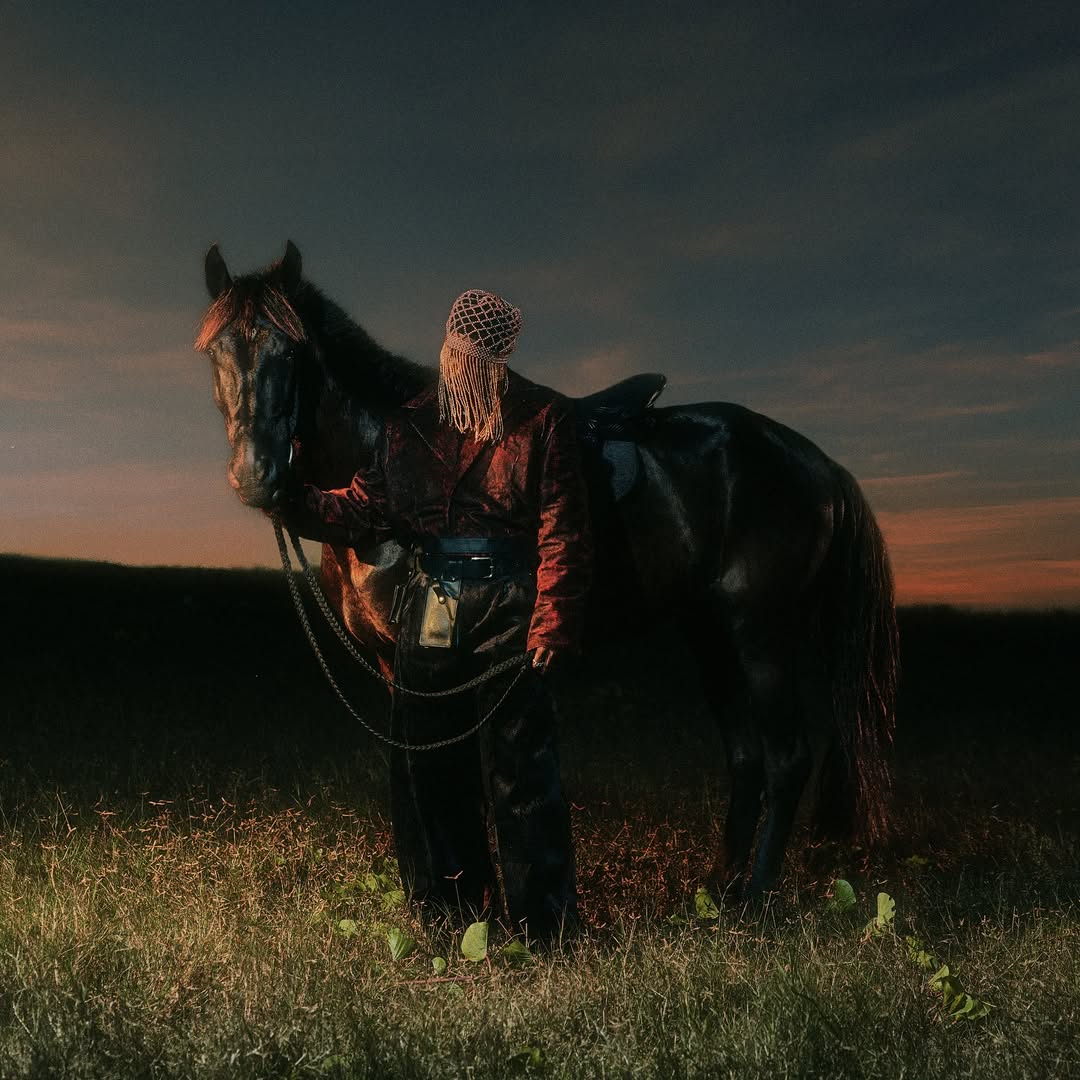
Visually, the project also drew attention for its presentation. The cover art and trailer were widely discussed within local media circles, with creative direction led by MOBO Award-winning creative Delenn Vaughan and photography by Gus Sarkodee. Datartgod’s custom typography helped unify the visual identity across both physical and digital campaign touchpoints. Director Andy Madjitey also contributed cinematic direction to visuals such as “Talisman,” adding to the project’s layered storytelling approach.

Support from established figures, including M.anifest, Reggie Rockstone, and Nas, further amplified the album’s visibility, while a consistent rollout of music videos and visualizers sustained engagement across platforms. These were supported by a coordinated PR and digital seeding strategy spanning Ghana, Nigeria, Kenya, the UK, and the United States.
On stage, The Odyssey extended beyond streaming success into live performance, with stops in London and Hamburg as part of its tour cycle. Locally, AratheJay headlined events such as Nimo Live and performed across major festivals including Promiseland, BHIM Festival, Liquor on the Beach, Cincity, and Zaama Disco, reinforcing the project’s presence across both local and international circuits.
Behind the campaign was Almighty Entertainment, the Accra-based management company co-founded by AratheJay alongside Kwame Ofosu-Dapaah Asenso-Okyere, Ahmed Lanre Sumaila, and Kwaku Twum-Ampofo. The in-house team included creative lead Crayture, photographer Kyei Baidoo, and a styling collective made up of Kelly Morgan, More Lifee, Revelations 22, and Creative Color Cell, supported by legal counsel from Kelvin Nana and digital management by Ivy Mintah.
Strategic partnerships also played a key role in scaling the project beyond its independent framework. The Orchard West Africa handled digital distribution across key markets, while alignment with Mass Appeal provided additional global positioning without compromising artistic control.
Taken as a whole, The Odyssey demonstrates a shift in how independent African music campaigns can be structured. Rather than relying on a single viral moment or isolated release strategy, AratheJay’s approach combined community engagement, international collaboration, and sustained creative output. The result is a rollout that is now being viewed less as an exception and more as a possible blueprint for independent artists seeking global reach without sacrificing ownership or identity.